


English

 Manpreet Singh
Share: 


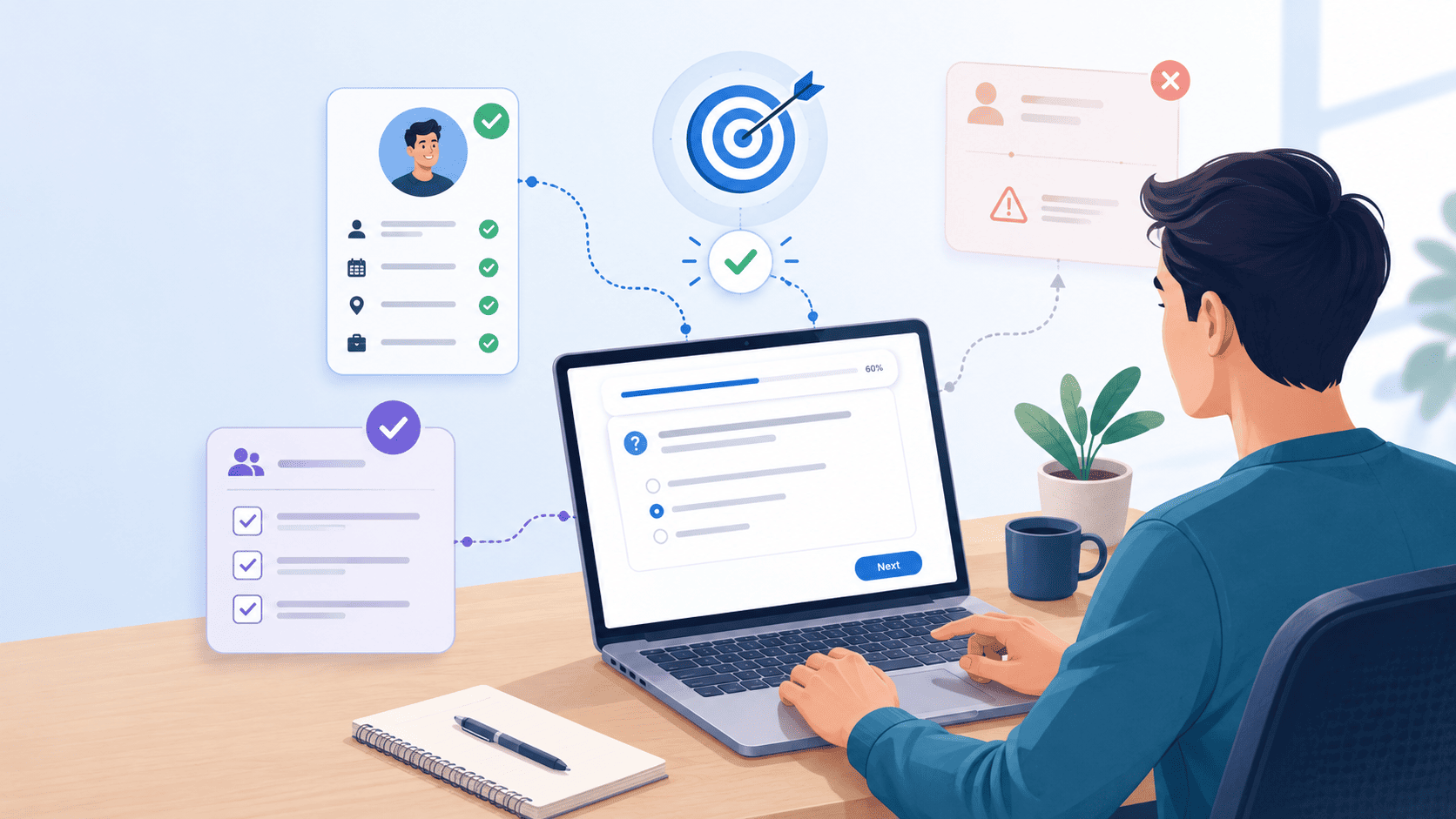
If you use online surveys to earn extra money, you may have been screened out before completing a questionnaire. This is called survey disqualification, which means you do not meet the survey’s required participant profile. Understanding how to avoid survey disqualification can help you reduce unnecessary screen-outs and use your time more efficiently. In this article, we will explain why survey disqualification happens, what habits can increase your chances of completing surveys, and what expectations you should keep in mind.
Survey disqualification usually happens because you do not match the type of respondent the survey is looking for. Many surveys are designed for a specific group of people, such as users in a certain age range, location, job role, income level, shopping category, or product experience. Even if you answer honestly, you may still be screened out when your profile does not fit the survey provider’s target audience.
Another common reason is that the survey quota has already been filled. You may be a good match for the topic, but if the survey has already collected enough responses from people in your group, it may close early for you. This is especially common in surveys that need a balanced sample, such as a certain number of students, parents, working professionals, or users from different age groups.
Your profile and answering habits can also affect the result. If your profile is incomplete or outdated, the platform may match you with surveys that are not suitable for you. If your answers do not match your profile or earlier responses in the same survey, the system may also treat the response as unreliable. In some cases, answering too quickly, skipping details, or missing attention-check questions can make your response look low quality.
There may also be technical or location-related reasons, such as an expired survey link, browser issues, unstable internet connection, or a mismatch between your account location and device information. Survey disqualification is not always your fault, but understanding these common reasons can help you reduce the situations that are within your control.
Survey disqualification cannot be completely avoided. Some surveys are designed for a very specific group of people, and if you are not part of that group, the survey may end no matter how carefully you answer.
But that does not mean you should treat every disqualification as random. In many cases, you can still reduce the chances of being screened out for avoidable reasons. The key is to make your profile more accurate, answer in a way that feels consistent, and choose surveys with a little more judgment instead of opening everything you see.
Actually, this is the part many users forget. They think disqualification only happens after they enter a survey, but matching often starts before that. Survey platforms may use your profile to decide which surveys to show you in the first place.
So if your profile is outdated, the problem may already be there. Maybe you changed jobs, moved to a different city, started using new products, or your household situation changed. If your profile still reflects your old situation, you may keep getting surveys that do not really fit you.
You do not need to check your profile every day. That would be unnecessary. But every once in a while, it is worth looking through the main details, especially your location, job, income range, household information, shopping habits, and product interests. A profile that matches your real situation gives the platform a better chance of sending you surveys that make sense.
The first few questions are not just a formality. In many surveys, they decide whether you should continue.
This is also where some people make the wrong choice. They try to guess what the survey wants to hear, especially when the reward looks attractive. But if you say you own a product, use a service, or make certain buying decisions just to move forward, the survey may ask more detailed questions later. Once your answers stop matching, the system may flag the response as unreliable.
It is better to answer based on your actual situation. Sometimes that means you will be screened out quickly. Annoying, yes. But it is still better than forcing your way into a survey that was never meant for you.
Consistency does not mean you need to memorize every answer you have given before. That is not realistic.
It simply means your answers should make sense together. If you say you do not drive, your later answers should not suddenly sound like you personally compare car insurance every month. If your profile says you are a student, it would be strange to answer as if you are responsible for company software purchases.
A small pause helps. Especially when the question includes words like “usually,” “recently,” “in the past 30 days,” or “for your household.” These words look small, but they can change the whole meaning of the question.
You do not have to answer slowly on purpose. That can feel unnatural too.
But rushing through every page is risky. Some surveys include attention-check questions, while others repeat similar questions in different ways. If you click too fast, you may miss one small instruction and lose the survey because of a careless mistake.
Read the question, check what it is really asking, then answer. That is enough.
Another thing worth changing is how you choose surveys. A lot of users open surveys mainly because the reward looks higher. I get why this happens, but it is not always the most efficient approach.
A high-paying survey can still waste your time if the topic has nothing to do with your real experience. For example, a survey about baby products may screen you out if you are not a parent. A survey about business tools may not fit if you do not use those tools at work. A survey about car ownership will probably end quickly if you do not drive.
So before starting, look at the topic, estimated time, and reward if the platform shows them. Sometimes a shorter, lower-reward survey that actually matches your background is a better choice than a higher-reward one that you are unlikely to finish.
If you are not sure which platforms are worth trying, you can compare the best survey apps to earn money in India before spending too much time on surveys that may screen you out quickly.
Before you start, make sure your connection and browser are working properly. A weak internet connection, repeated refreshing, switching devices, or opening the same survey in multiple tabs can sometimes interrupt the survey process.
These steps are basic, but they are still worth paying attention to. They will not help you qualify for a survey that does not match your profile, but they can reduce avoidable technical interruptions.
This may be the most practical point. Learning how to avoid survey disqualification does not mean trying to pass every survey. That usually leads to rushed answers, forced choices, and more frustration.
A better approach is to focus on the surveys that genuinely fit you. Keep your profile accurate, answer honestly, pay attention to the details, and avoid obvious technical mistakes. You will still get disqualified sometimes, but fewer of those disqualifications will come from things you could have prevented.
The methods above can help reduce survey disqualification, but they cannot stop it completely. Sometimes you may do everything properly and still get screened out. This is normal, so there is no need to feel that you have wasted your time or done something wrong.
After getting disqualified, the first thing to do is simply move on to another survey. Do not spend too much time guessing the exact reason, because most platforms will not explain it clearly. Instead, think about the parts you can improve next time. For example, did you choose a survey that actually matched your experience? Did you read the screening questions carefully? Was your profile still accurate?
If you notice the same problem happening often, then it is worth going back to the methods above. Check your profile, slow down during the first few questions, and be more selective with the surveys you start. These methods may not guarantee that every survey will work out, but they can help you avoid repeating the same avoidable problems.
You can then continue trying other surveys with a clearer idea of what to look for. Some disqualification will still happen, but it should feel less confusing when you know what you can control and what you simply need to move past.
Getting disqualified from surveys is common, but it does not mean the whole process has to feel random. Once you understand why it happens, it becomes easier to tell the difference between things you cannot control, such as survey quotas or target audience requirements, and things you can improve on your side.
This is where small details matter. A clear profile, careful answers, and better survey choices may not help you qualify for every survey, but they can make your experience more stable and reduce unnecessary interruptions.
In the end, reducing survey disqualification is not about finding a shortcut or trying to fit every survey. It is about approaching surveys in a more realistic way, so the time you spend is more likely to go toward opportunities that actually match you.
No. Survey disqualification cannot be completely avoided because some surveys only need a specific type of respondent, and quotas can fill up quickly. What you can do is reduce avoidable disqualification by keeping your profile accurate, answering carefully, and choosing surveys that match your real experience.
Not always. Being screened out of a survey often means you were not the right match for that specific study. However, rushed answers, inconsistent responses, or missed attention-check questions can also increase the chance of disqualification.
You may keep getting disqualified from surveys because your profile does not match the survey’s target audience, the quota is already full, or your answers do not fit the screening questions. If it happens often, check whether your profile is outdated and avoid starting surveys that clearly do not match your background.
Yes, it is normal to get screened out of paid surveys sometimes. Online surveys are usually designed for specific groups, so not every survey will be right for you. The goal is not to avoid every disqualification, but to reduce the ones caused by avoidable issues.
Written by Manpreet Singh
An Internet wealth architect from India, a true master of turning clicks into gold. He possesses the innate ability to transform complex online models into actionable blueprints for everyday people, specializing in internet monetization, affiliate marketing, and mobile app revenue streams. Through his “low barrier to entry, high compounding returns” practical strategies, he has successfully guided thousands of global followers to convert their skills and passions into substantial online income.
Taurus App Paid Surveys Guide: Zero Investment Daily UPI Cash
Among the multiple micro-task options available on the Taurus App, the Questionnaire section offers a direct, zero-investment path for Indian users looking to generate daily side income.
Manpreet Singh
Watch Video and Earn Money App India: Daily Yields, Rules & Fast UPI Transfers (2026)
For smartphone users searching for a reliable earn money app and video platform in India, task aggregators like Taurus have changed how micro-earnings work.
Manpreet Singh
Earn Real Cash on Teen Patti Master via Taurus App
If you are looking for a reliable way to win real money playing mobile games, Teen Patti Master is currently one of the most popular skill-based card games in India.
Manpreet SinghTable of contents:


Discover diverse earning methods on Taurus Cash APK, a mobile app offering tasks, skill-based games, and refer & earn programs. Join for a seamless income by completing daily tasks & earning commissions!




Businesse cooperation: [email protected]

 How to Earn